
Why Kids Love Video Games: More Than Just Entertainment
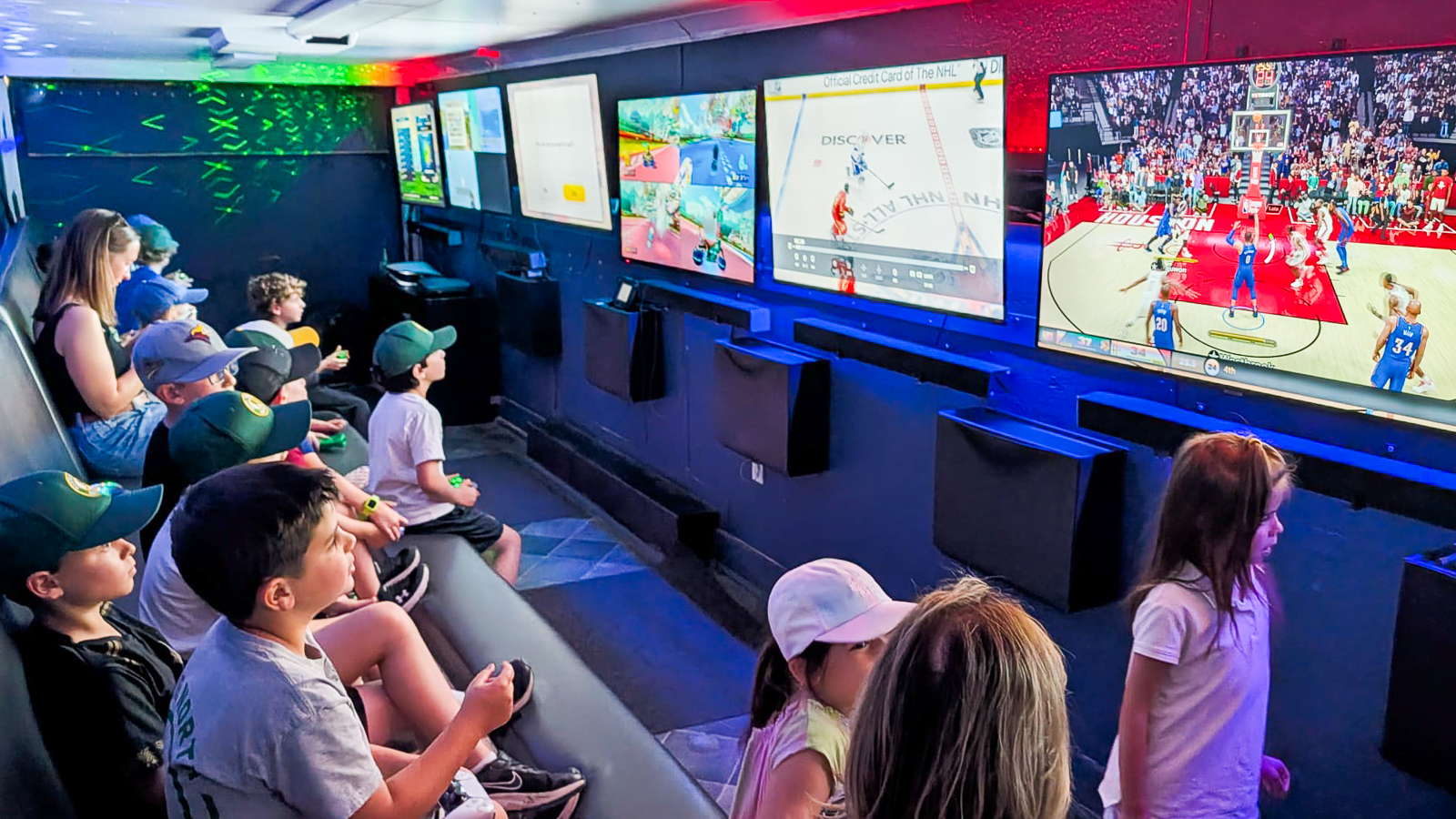
Video games have become one of the most popular forms of entertainment for kids and teens. But what makes them so appealing?
There is no single reason. Video games combine interaction, challenges, competition, creativity and social experiences in a way that few other forms of entertainment can.
Different kids enjoy different things about gaming, but several qualities help explain why video games continue to be so popular.
1. Video Games Are Interactive
Unlike watching a movie or TV show, playing a video game requires kids to actively participate.
Players make decisions, control characters, solve problems and immediately see the results of their actions.
That sense of participation is a big part of the appeal. Instead of simply watching a story or competition unfold, the player becomes part of what is happening.
2. Games Give Kids Goals and Challenges
Video games are built around challenges.
A player might try to win a race, score a goal, complete a mission, build something, solve a problem or simply improve a previous score.
Games often introduce challenges gradually, allowing players to learn new skills and become better with practice.
Reaching the next level, winning a difficult match or finally completing a challenge can give kids an immediate sense of progress and accomplishment.
3. Video Games Are Social
Gaming is not always a solitary activity.
Many games allow friends to play together, either online or side by side. Kids can talk about games, share strategies, compete against each other and celebrate victories together.
The social experience becomes even stronger when players are physically together in the same room.
Friends can see each other’s reactions, laugh, cheer, give advice and immediately switch opponents or teammates. Gaming becomes something the group experiences together rather than an individual activity.
4. Kids Enjoy Competition – and Cooperation
Competition is part of the appeal of many video games.
Racing games, sports games and fighting games give kids an immediate opportunity to challenge their friends and find out who can win.
But gaming does not always mean competing.
Many multiplayer games encourage players to cooperate and work toward a common goal. Games such as Overcooked, for example, depend on communication and teamwork.
Having both possibilities – competition and cooperation – helps gaming appeal to different personalities and different groups of friends.
5. Games Let Kids Explore and Create
Some of the most popular games give kids considerable freedom over what they do.
Minecraft is a good example. Players can build, explore and create rather than simply follow one predetermined path.
Adventure and creative games can give kids virtual worlds to discover, problems to solve and opportunities to experiment with their own ideas.
For some children, that freedom is much more interesting than simply trying to achieve the highest score.
6. Video Games Offer Something for Different Interests
Not every child enjoys the same kind of game.
A sports fan might choose NHL, NBA 2K or EA Sports FC. Someone who loves cars may prefer racing games. Other kids enjoy adventures, party games, creative games or fast-paced action.
There are also games for very different levels of experience – from titles that a beginner can start playing almost immediately to games that take considerable practice to master.
That variety makes it easier for kids to find games that match their own interests.
7. Familiar Characters and Game Worlds Are Fun to Return To
Kids often develop favourite characters, games and virtual worlds just as they have favourite movies, books or TV shows.
Characters such as Mario and Sonic, or familiar worlds such as Minecraft, can become instantly recognizable.
When a new game or experience includes characters and worlds kids already know, they can feel comfortable jumping straight into the action.
8. Games Give Kids a Sense of Achievement
Video games provide frequent feedback.
A player wins a race, scores a goal, completes a level, unlocks something new or simply becomes better at something that was difficult before.
These achievements may be small, but they are immediate and easy for the player to recognize.
Some games can also encourage problem-solving, creativity, coordination and teamwork as players learn how to overcome different challenges.
Why Video Games Work So Well for Kids’ Parties
Video games can be especially fun when kids play together in the same space.
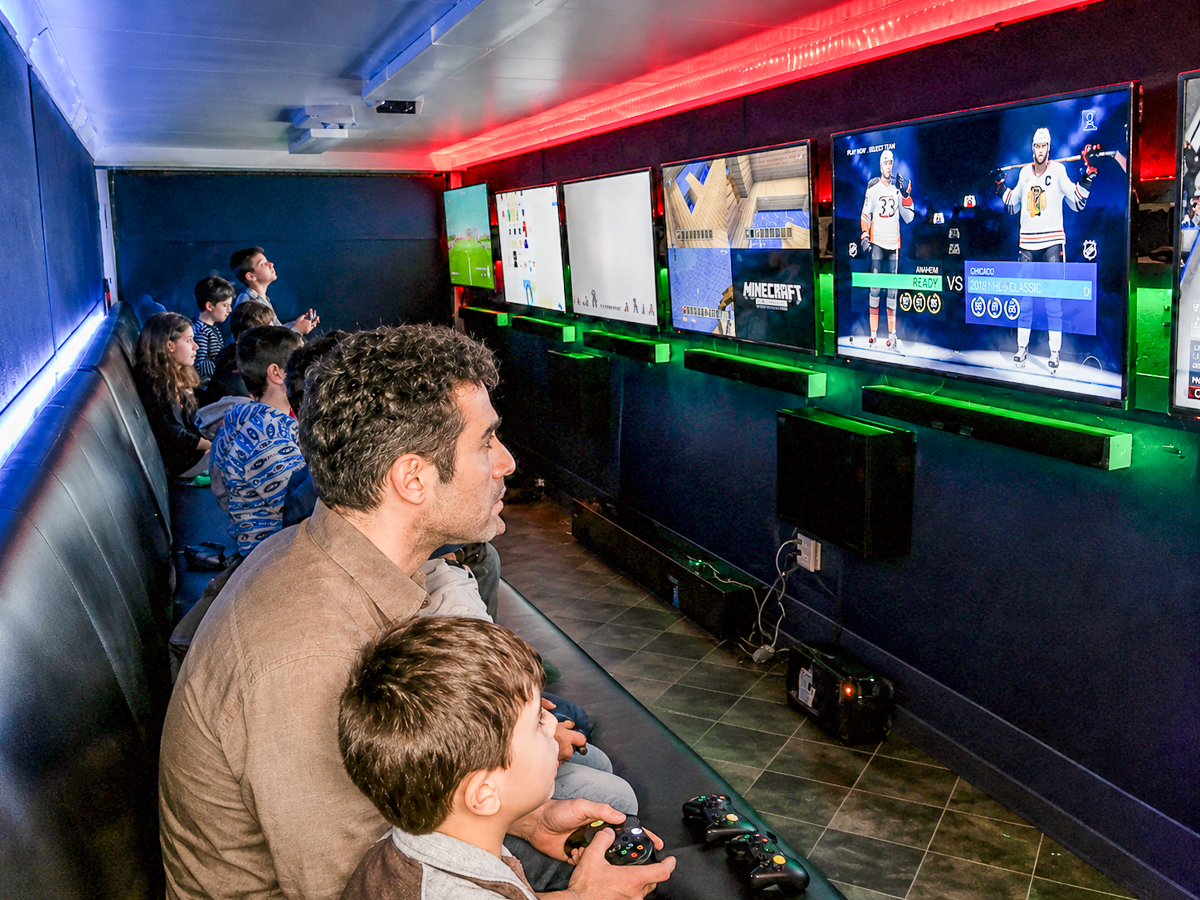
At a Game Trucks GT party, friends can compete, cooperate, switch games and react to what is happening around them. Instead of gaming being an individual activity, it becomes part of a shared celebration.
Our gaming trailer has 8 gaming screens and 150+ video games, so the entire group does not have to agree on one game. One group might race in Mario Kart, another play Minecraft, while other players choose sports, action or multiplayer party games.
What About Parents’ Concerns About Video Games?
Like other forms of entertainment, video games are best enjoyed with reasonable limits and age-appropriate content.
Parents can decide which games are appropriate for their children, and at Game Trucks GT parties they can tell the Game Coach if there are particular games or types of content they do not want their children to play.
LEARN ABOUT VIDEO GAME RATINGS →
Gaming Is More Fun Together
There are many reasons kids enjoy video games, and every child is different.
For some, it is competition. For others, it is creativity, exploration, teamwork or simply spending time playing with friends.
That is also what makes video games such a natural fit for a group celebration: something kids already enjoy becomes an experience they can share together.
Game Trucks GT brings that experience directly to your location in Toronto and the GTA, with multiple gaming systems, 8 screens, 150+ games and room for up to 32 players at once.

